Drum Table
An experimental approach to explore interaction in a shared space
August 2019
What are Cultural Probes?
Cultural Probes offer a more holistic spectrum to conduct user research.
This technique inspires creativity and design from the participants using the data about their values, thoughts and lives.
Process overview
- 1. Data Gathering
- 2. Data Analysis
- 3. Design
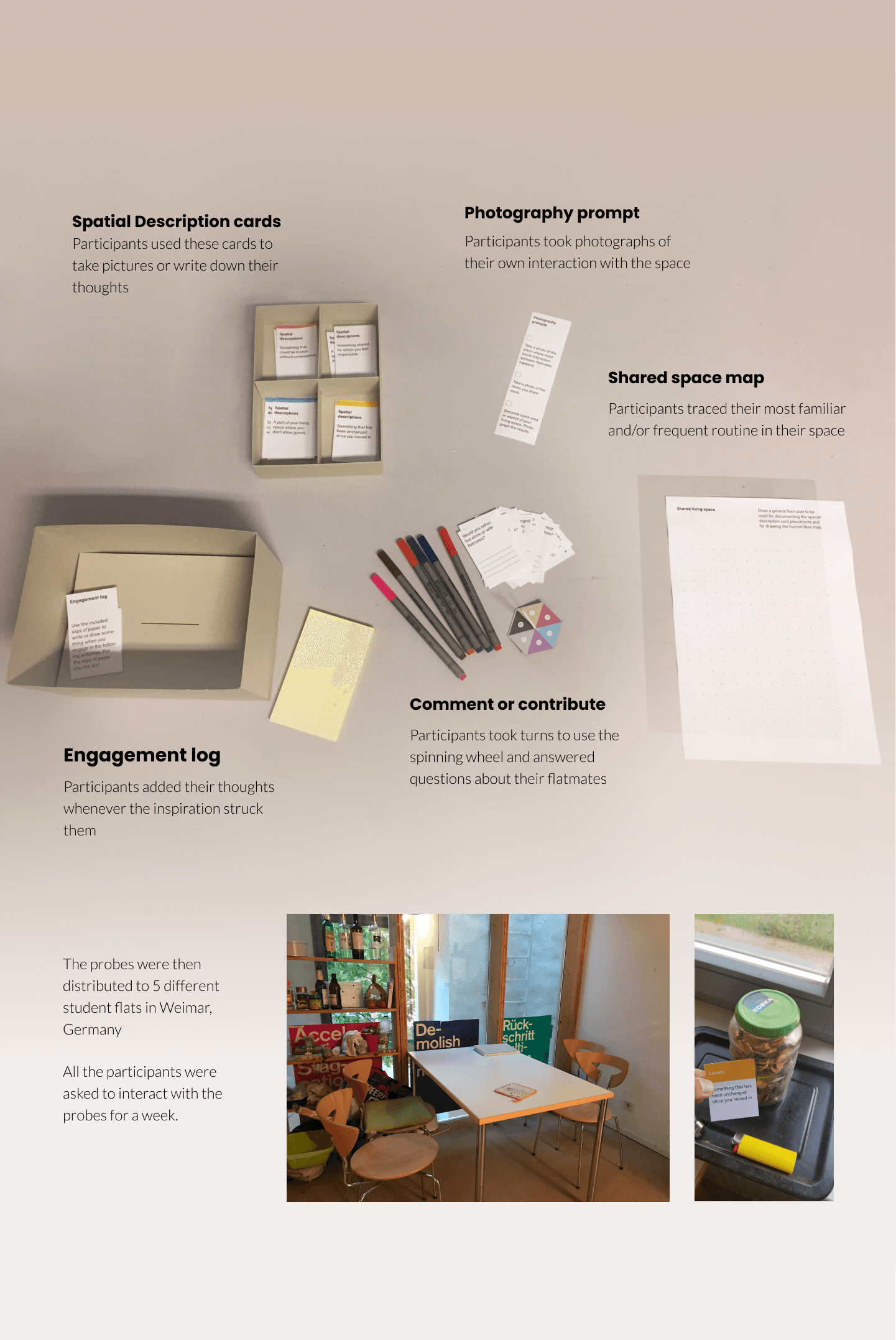
Data Gathering
Method: Cultural Probes
Data Analysis
Method: Mind Mapping
In the first iteration, we organised the data from each flat separately and made 5 clusters. Photographs from all the shared flats were grouped separately.
In the second iteration we re-attached the photographs next to the data that felt relevant. We also eliminated data which was misinterpreted by the participants.
Here we saw multiple themes emerging across all 5 flats, which we then scribbled over the data.

In the final iteration we rearranged all the data and formed clusters on the themes that emerged from the second iteration. This time, the patterns visible in the second iteration were more prominent.
Findings
- Free communication disrupts harmony in the household
- A pretence or excuse is required for interaction and shared activities
- Non-hierarchical relationship structure between household residents
Design
Method: Prototyping with Microcontrollers
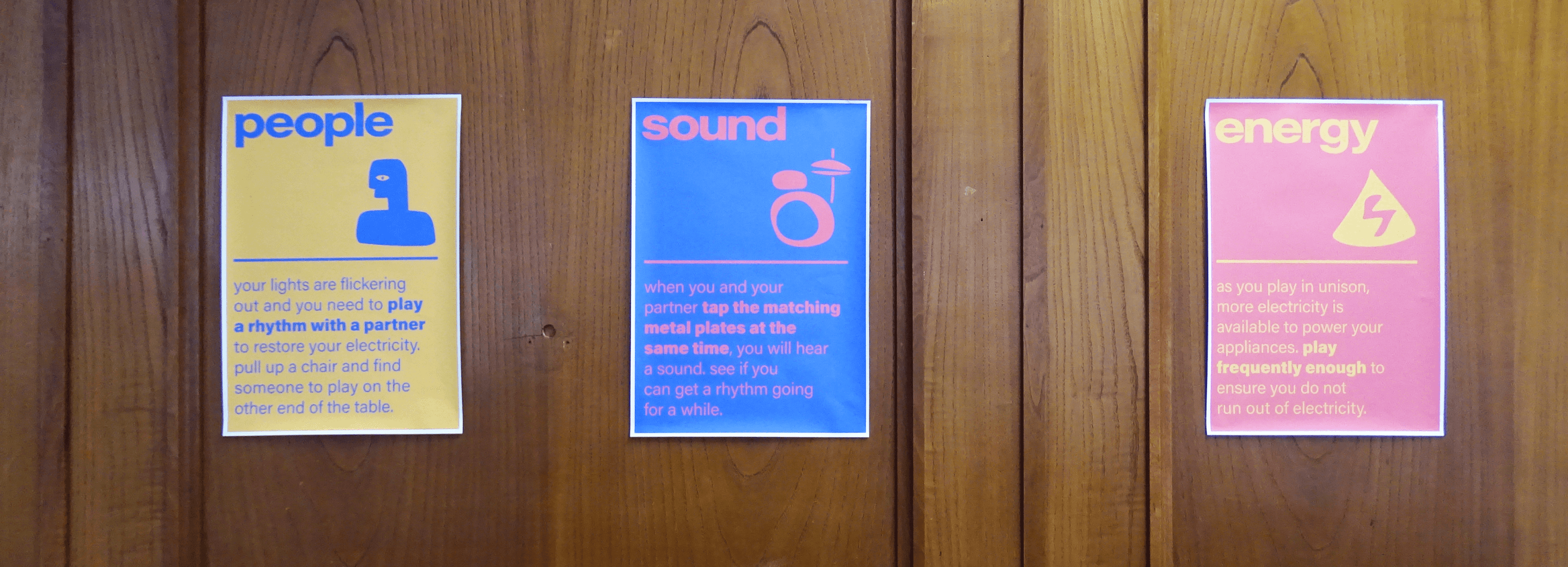
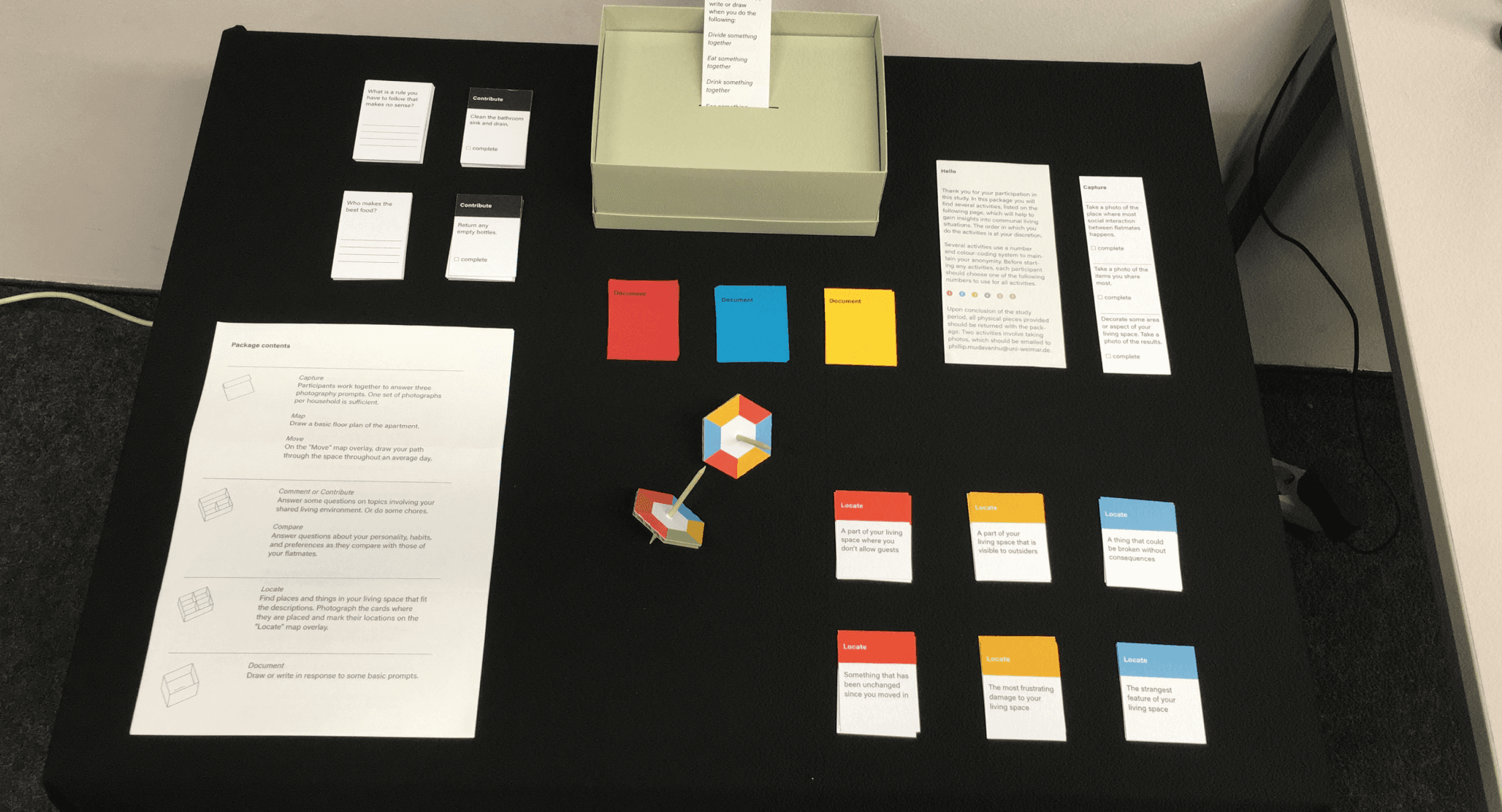
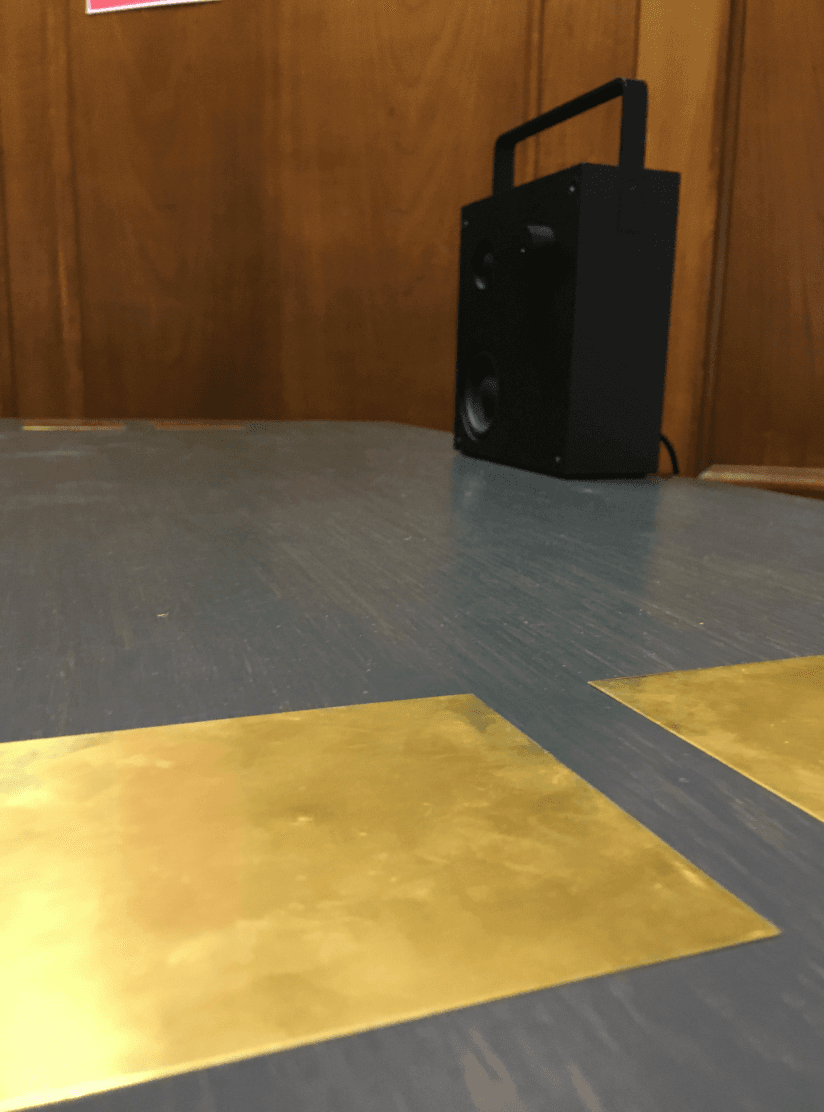
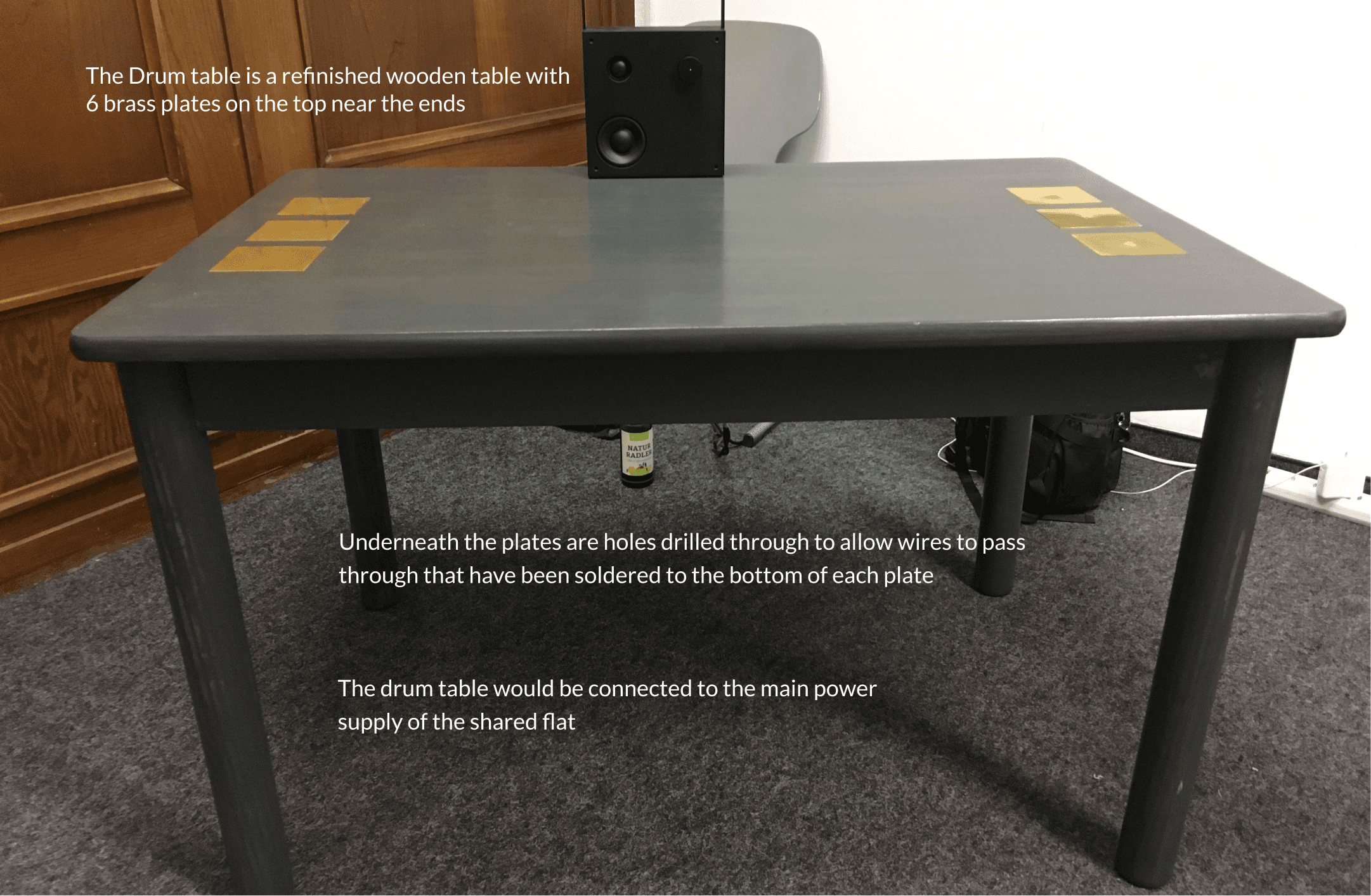
We prototyped a drum table that replaces the dining table in the common area.
We wanted to force the shared flat occupants to make music every day.
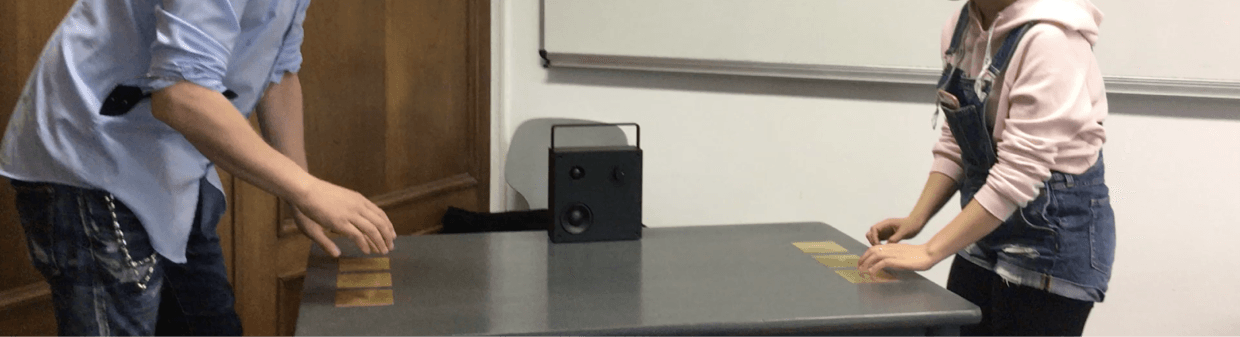
- This drum table works when all the flat members use it simultaneously.
- Every beat gives them energy points and running electricity.
- When the drums aren’t played, the occupants lose their internet and electricity.
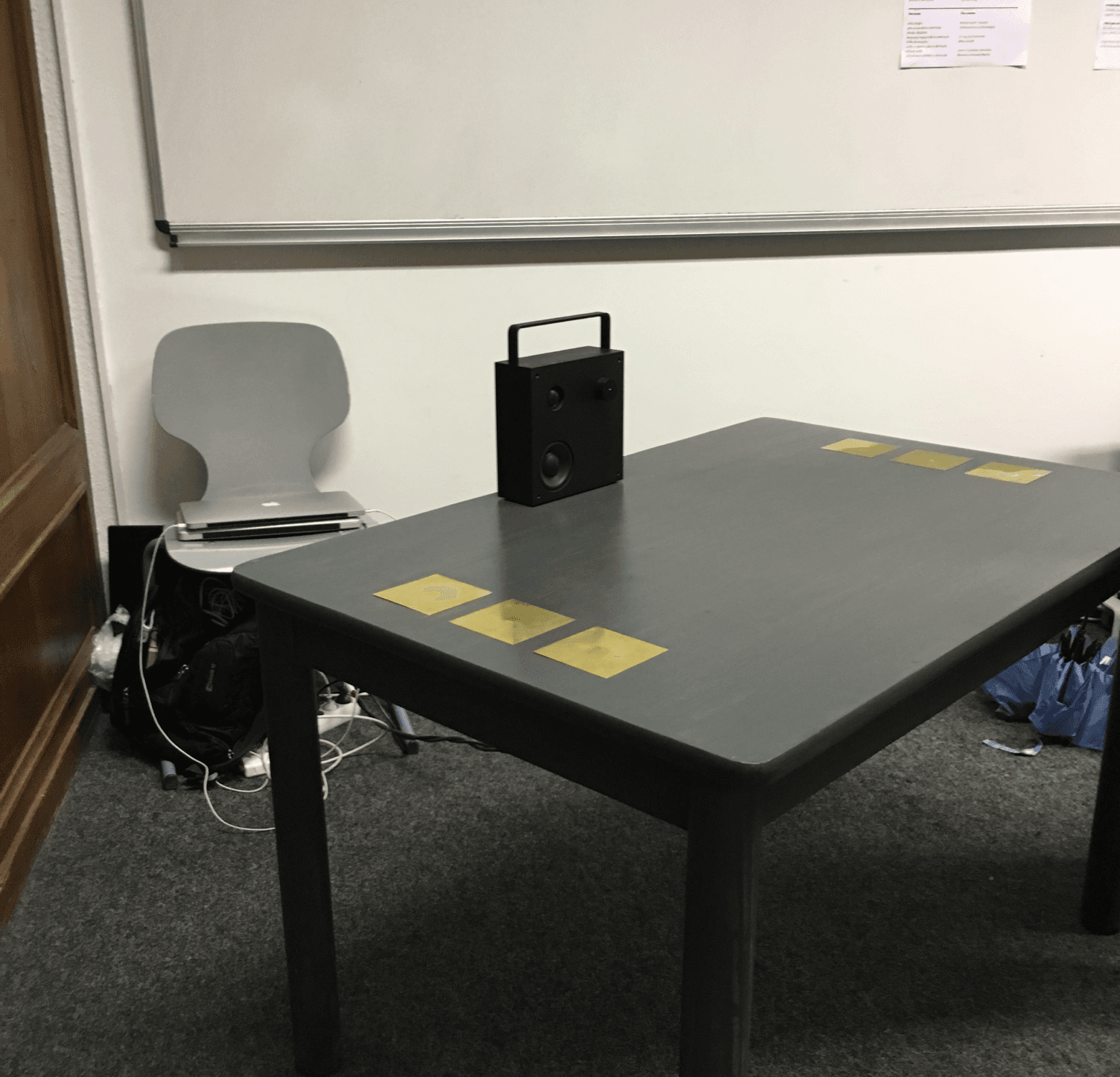
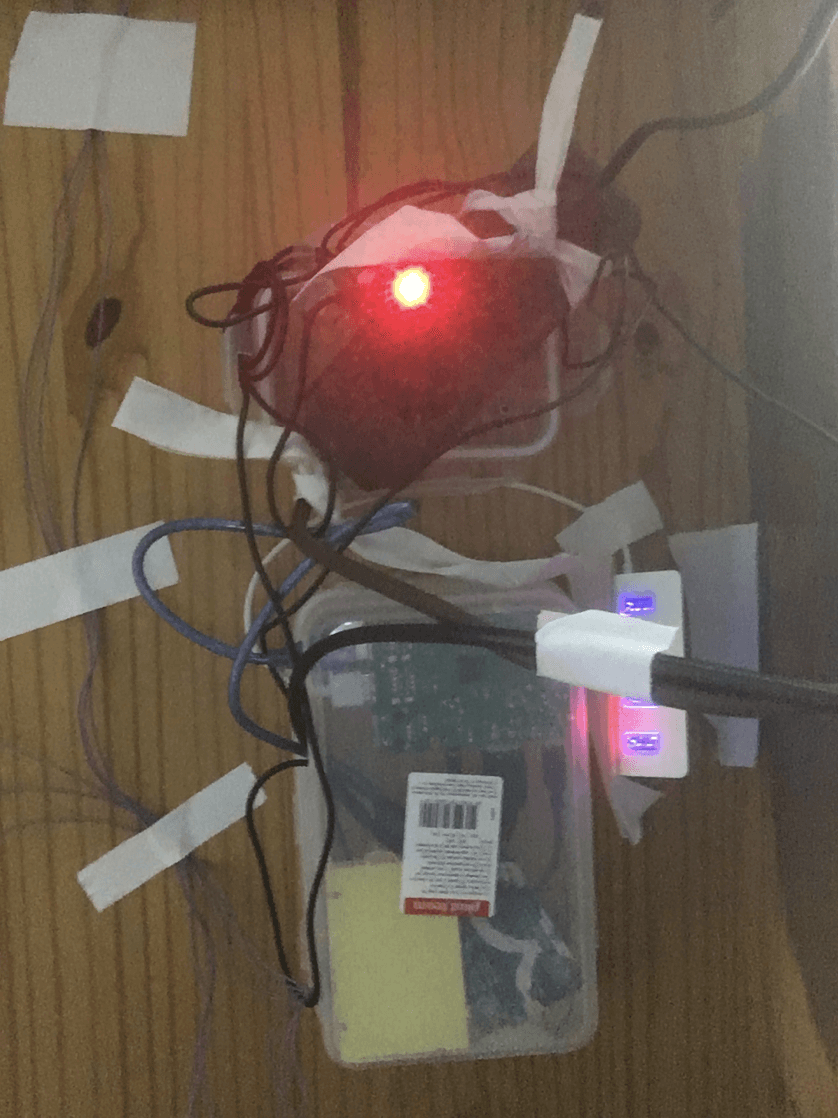
- The first unit
- MPR121 capacitive touch sensor and an Arduino Uno (nicknamed the DrumArduino)
- The second unit
- RobotDyn single channel AC dimmer controller and an Arduino Uno (nicknamed the LightArduino)
- The third unit
- Raspberry Pi for the sound, data tracking and communication between the two Arduinos